

You may have never worked in a steel mill, factory, or around asbestos-containing materials. But what if someone in your family did?
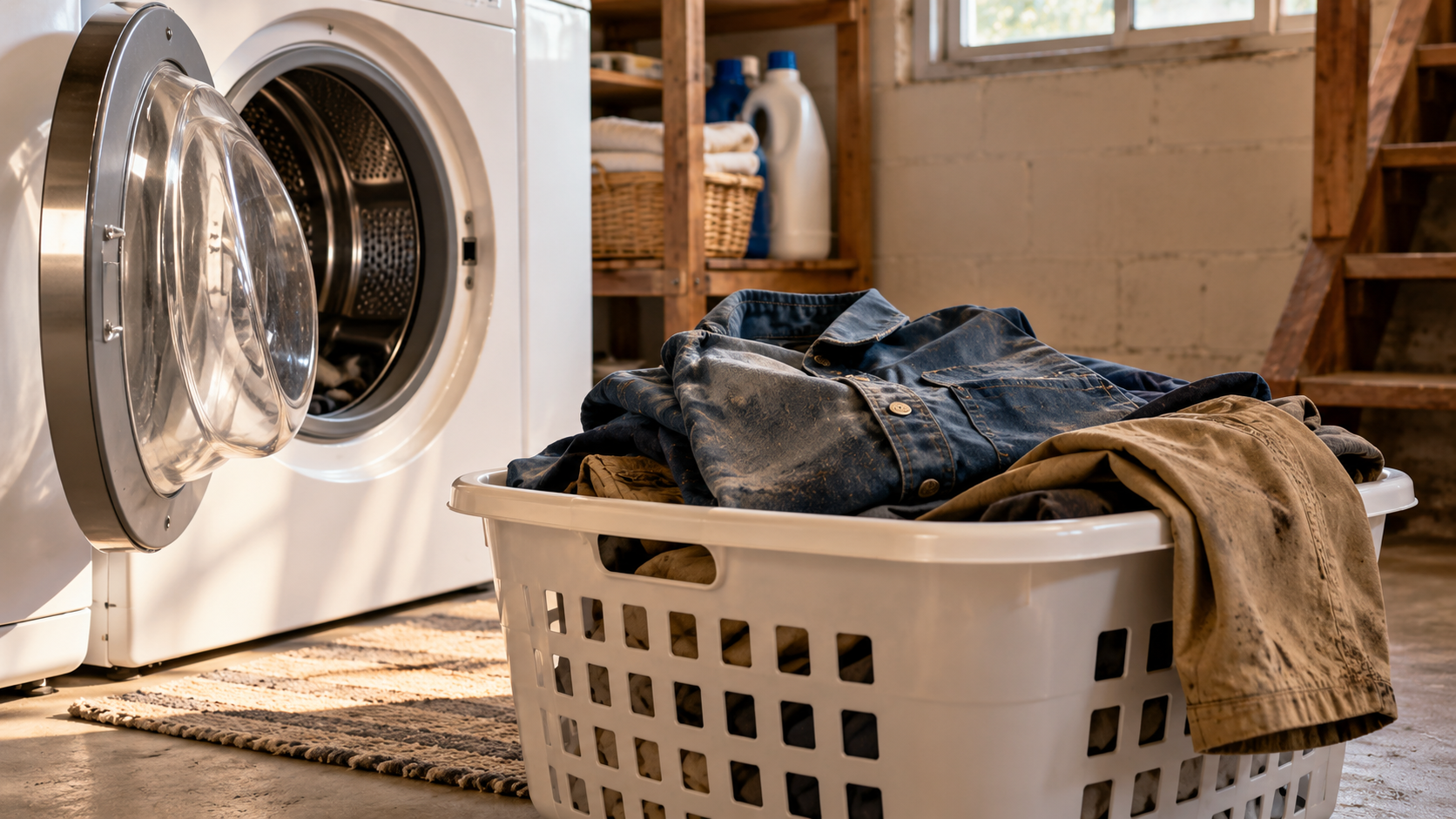
Perhaps you spent years washing your spouse's dusty work clothes, shaking them out before putting them in the washing machine. Or maybe you remember playing in the basement as a child while your mother sorted and washed your father's work clothes nearby.
At the time, these were ordinary parts of family life. There was little reason to suspect that the dust on someone's clothing could contain asbestos.
But if you or a loved one has since been diagnosed with mesothelioma, those memories may take on a different meaning.
In some Pittsburgh and Western Pennsylvania households, workers unknowingly carried asbestos fibers home on their clothing, shoes, or other belongings. This is known as take-home asbestos exposure. Family members who inhaled those fibers faced an increased risk of developing mesothelioma, even if they never worked directly with asbestos.
How Could Asbestos From Work Clothes Enter the Family Home?
Throughout much of the twentieth century, asbestos was widely used in industrial settings because of its resistance to heat and fire. Workers in steel mills, power plants, factories, and construction trades could encounter asbestos in insulation, gaskets, and materials used around boilers, pipes, and other equipment.
In Pittsburgh and Western Pennsylvania, where generations of families depended on industrial employment, workers often returned home wearing the same clothes they had worn throughout their shifts.
If asbestos fibers had settled on their work clothes during a shift, workers could carry those fibers into their homes without realizing it.
Because asbestos fibers are often too small to see, clothing could appear relatively clean while still carrying contamination. When disturbed, those fibers could become airborne and be inhaled by others in the household.
This is how secondary asbestos exposure could affect someone who never entered the workplace where the asbestos originated.
Could Washing a Family Member's Work Clothes Lead to Asbestos Exposure?
Yes. Handling and laundering asbestos-contaminated work clothes is a recognized pathway for household exposure because these activities can release fibers into the air.
In many families during earlier decades, wives who stayed home handled the laundry while their husbands worked in industrial jobs. Dusty pants, shirts, and jackets might be placed in a laundry basket or taken directly to a basement washing area.
Before washing those clothes, someone might shake them out to remove accumulated dust and debris.
If the clothing contained asbestos, that motion could release microscopic fibers into the surrounding air. Sorting garments, brushing away dust, and transferring clothes into the washing machine could also disturb contamination.
For some families, this routine continued for years. A spouse might wash contaminated work clothes several times a week, potentially inhaling asbestos fibers without knowing they were present.
The risk came from inhaling asbestos fibers released while handling contaminated clothing. Repeated exposure to those fibers could increase a person's risk of developing mesothelioma.
Could Children Playing in the Basement Also Have Been Exposed?
Yes. Children who spent time near asbestos-contaminated laundry could have been exposed even if they never touched the work clothes themselves.
In many older homes, the basement was more than a laundry room. Children might play on the floor or with toys nearby while a parent sorted work clothes or started a load of laundry.
If contaminated clothing was handled nearby, asbestos fibers released into the air could reach children in the same room.
Some fibers could also settle on floors, furniture, or other surfaces. Activities that disturbed this dust could cause fibers to become airborne again.
Playing in a basement where laundry was done does not automatically mean a child was exposed to asbestos. The circumstances depend on whether contaminated clothing was present and whether asbestos fibers entered the surrounding environment.
Memories of a parent's workplace, dusty work clothes, or household laundry routines can provide important clues when investigating possible asbestos exposure decades later.
Why Can Mesothelioma Develop Decades After Household Asbestos Exposure?
Mesothelioma can develop decades after asbestos exposure, making it difficult for someone diagnosed today to recognize where that exposure occurred.
According to the National Cancer Institute, symptoms of asbestos-related diseases can take 10 to 40 years or longer to appear. Mesothelioma often develops several decades after exposure, and research indicates an increased risk among family members of workers who experienced substantial occupational asbestos exposure.
When asbestos fibers are inhaled, some can remain in the body for years. Asbestos exposure can eventually lead to mesothelioma, a cancer that develops in the thin tissue lining certain organs, most commonly the lining surrounding the lungs.
Not everyone exposed to asbestos develops mesothelioma. Given the disease's long latency period, a thorough exposure history should consider possible asbestos contact earlier in life, including exposure at home.
What If You Were Diagnosed With Mesothelioma but Never Worked Around Asbestos?
If you have been diagnosed with mesothelioma but have no known history of occupational asbestos exposure, your family's employment and household history may help identify a possible source.
Consider where your parents, spouse, or other household members worked during the years you lived together.
Did someone work in a Pittsburgh-area steel mill, power plant, or industrial facility? Did they regularly return home wearing dusty clothing? Who handled their laundry, and where was it washed?
You may not remember the names of asbestos-containing products or know exactly what materials a family member encountered at work. An investigation can still help uncover those details.
At Savinis, Kane & Gallucci, LLC, our Pennsylvania mesothelioma lawyers can examine employment records, investigate asbestos-containing products used at a family member's workplace, and gather information from relatives or former coworkers to help reconstruct how asbestos fibers could have reached the home.
Identifying a possible source is only one part of a legal claim. Pennsylvania take-home asbestos cases also involve examining the evidence linking asbestos exposure to the illness and determining who, if anyone, could be held legally responsible.
Could Your Mesothelioma Be Linked to Asbestos Exposure at Home?
If you or a loved one has been diagnosed with mesothelioma but aren't sure where the asbestos exposure occurred, you don't have to piece together decades of family and employment history on your own.
At Savinis, Kane & Gallucci, LLC, our Pittsburgh mesothelioma attorneys bring more than 100 years of combined experience handling asbestos-related cases. Our knowledge of Western Pennsylvania's industrial workplaces helps us investigate how asbestos fibers could have traveled home on workers' clothing and exposed family members.
If you believe a family member's work clothes could be connected to a mesothelioma diagnosis, contact our Pittsburgh office for a free consultation. We can investigate possible sources of exposure, explain the legal issues involved, and help you understand your options. There are no attorney fees unless we recover compensation for you.
Disclaimer: This blog is provided for informational purposes only and should not be construed as legal advice. Reading this content does not create an attorney-client relationship. For guidance regarding your specific legal matter, please contact the firm to discuss your situation.