

What Families Should Know Before Renovating
When you own an older home in Pittsburgh or Western Pennsylvania, especially one built before the 1980s, renovations are often part of the plan. People renovate to modernize outdated styles, improve energy efficiency, repair wear and tear, and boost resale value. Yet with those updates comes a hidden risk: asbestos, which may be found behind walls, under flooring, or in insulation. Renovation work can disturb these materials and release dangerous fibers.
For families already facing a mesothelioma diagnosis, or those trying to prevent exposure, this isn’t just a renovation issue. It is both a health risk and a legal concern, since Pennsylvania law regulates asbestos handling. Improper renovation can create serious risks from asbestos exposure while also complicating future legal claims for diseases such as mesothelioma.
At Savinis, Kane & Gallucci, LLC, we have represented families across Allegheny County and throughout Western Pennsylvania whose lives were affected by asbestos exposure in unexpected ways, including during home projects. Renovation-related exposure is a serious concern, and understanding how it happens, where asbestos is found, and what Pennsylvania law requires is essential.
This article explains why renovations can release asbestos fibers, where the risks are highest in older Pittsburgh-area homes, what state and federal rules say about asbestos handling, and how this information can help families navigating mesothelioma and asbestos claims.
Why Renovations Increase the Risk of Asbestos Exposure
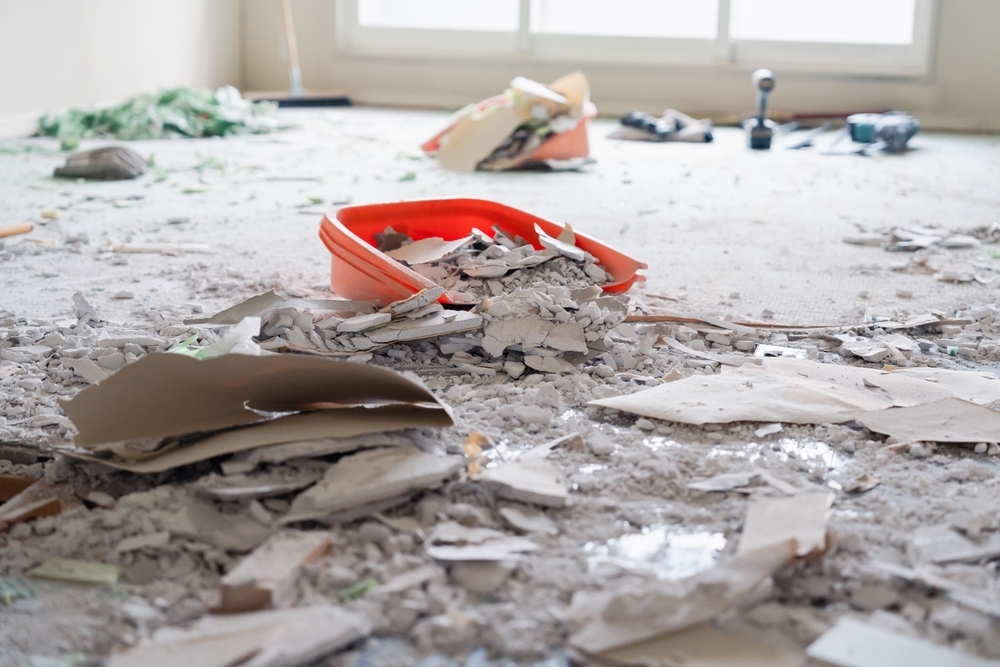
Asbestos was widely used in construction materials throughout the twentieth century because it was affordable, durable, and fire-resistant. These products were installed in thousands of Pennsylvania homes. If left intact, they may not release harmful fibers. Renovations change that. Cutting, sanding, tearing down, or even cleaning around asbestos-containing materials can release microscopic fibers into the air, where they can be inhaled.
Once inhaled, asbestos fibers can lodge in the lungs or abdomen, causing long-term damage. Diseases such as mesothelioma, lung cancer, and asbestosis may not appear until decades later. That long latency period often makes it difficult for families to connect present-day illnesses to past exposures, including those that happened during home repairs or renovations.
Where Asbestos May Be Hiding in Pittsburgh Homes
If your home was built in Allegheny County before the 1980s, asbestos-containing products may still be present. In Clairton, Braddock, McKeesport, and across the Pittsburgh area, older homes often contain:
- Pipe and boiler insulation in basements or utility areas
- Attic and wall insulation, including vermiculite-based products
- Vinyl floor tiles and adhesives
- Roof shingles and siding materials
- Popcorn or textured ceilings
- Plaster, joint compound, or patching materials
- Older HVAC systems and duct insulation
Many of these materials were installed in homes built for steelworkers, miners, and industrial families during Pittsburgh’s manufacturing peak. Across Western Pennsylvania, homes built during the mid-20th century are especially likely to contain asbestos products, because construction at the time relied heavily on them. Even though heavy industry has declined, those homes still stand, and with them, the risks of asbestos.
Pennsylvania Rules on Asbestos and Renovations
Pennsylvania law requires strict handling of asbestos. Homeowners should never attempt to remove asbestos materials on their own due to the risks posed by improper removal procedures, and they should be sure to hire a licensed contractor to handle or remove asbestos.
Under the Pennsylvania Department of Environmental Protection (DEP)’s regulations, only licensed contractors may be hired to perform asbestos abatement and removal services. These regulations protect families from asbestos exposure and reduce the risk of asbestos-related diseases such as mesothelioma in older Pittsburgh homes.
Key points to know:
- Testing before work begins: A certified asbestos inspector can confirm whether materials contain asbestos.
- Licensed abatement contractors: Only licensed professionals are permitted to be hired for the purpose of removing or encapsulating asbestos by private property owners or in commercial properties.
- Proper disposal: Asbestos waste must be handled and disposed of in compliance with state and federal law.
- Legal and health implications: Improper asbestos removal can create exposure risks for occupants, workers, and even neighbors. Failing to follow applicable requirements and recommendations can result in DEP fines, liability for cleanup costs, and serious health risks.
For claimants already pursuing or considering a mesothelioma case, evidence that asbestos exposure occurred during home renovations may be important to preserve.
How Renovations May Affect Mesothelioma Claims
Most mesothelioma claims trace asbestos exposure back to jobs in steel mills, power plants, factories, or construction sites. That said, household and secondary exposures are also recognized in many cases. Renovation projects can complicate these claims.
If asbestos fibers were released during home repairs and contributed to a diagnosis, those facts should be documented, such as keeping inspection reports, abatement records, or photographs of renovation work. Even small steps like saving contractor invoices or inspection reports can help strengthen the record.
Courts may require proof such as:
- Evidence of asbestos-containing materials in the home.
- Records of renovation or repair work that disturbed asbestos.
- Medical documentation linking exposure to disease.
- Testimony from family members or contractors familiar with the work performed.
Defense lawyers sometimes argue that an illness stemmed from non-occupational sources, such as home renovations, in order to shift blame away from manufacturers or employers. Having clear records helps protect families from these arguments.
What Families Should Do Before Renovating
If you live in an older Pittsburgh-area home and are planning renovations, consider these important steps:
- Schedule an asbestos inspection before demolition or repair.
- Do not attempt DIY removal. Always use licensed asbestos abatement contractors.
- Keep records of inspection reports, abatement work, and invoices.
- Talk to your doctor if you believe you have been exposed, even briefly.
- Preserve evidence if you or a loved one already has an asbestos-related diagnosis.
Taking these steps helps protect your family from asbestos exposure and the risk of developing mesothelioma or other asbestos-related illnesses in older Pittsburgh homes while also preserving important evidence for any potential legal claim.
Compassionate Support for Western Pennsylvania Families
At Savinis, Kane & Gallucci, LLC, we have represented mesothelioma claimants and their families in Pittsburgh and across Western Pennsylvania for decades. We understand how overwhelming it can feel to balance medical needs, family concerns, and legal questions. Our approach is built on compassion, thorough investigation, and a commitment to holding negligent parties accountable.
If your family has been affected by asbestos exposure, whether through work, household contact, or home renovations, we are here to help you understand your rights. Contact our Pittsburgh office today for a free case review. We serve clients throughout Allegheny County and surrounding communities, and you pay nothing unless we recover compensation on your behalf.
Disclaimer: This article is for informational purposes only and does not constitute legal advice. Laws and regulations change over time and may vary depending on specific circumstances. To understand how these principles apply to your situation, consult with a licensed attorney.